9 Types of Blinds [2025 Guide]
Sep 16, 2025
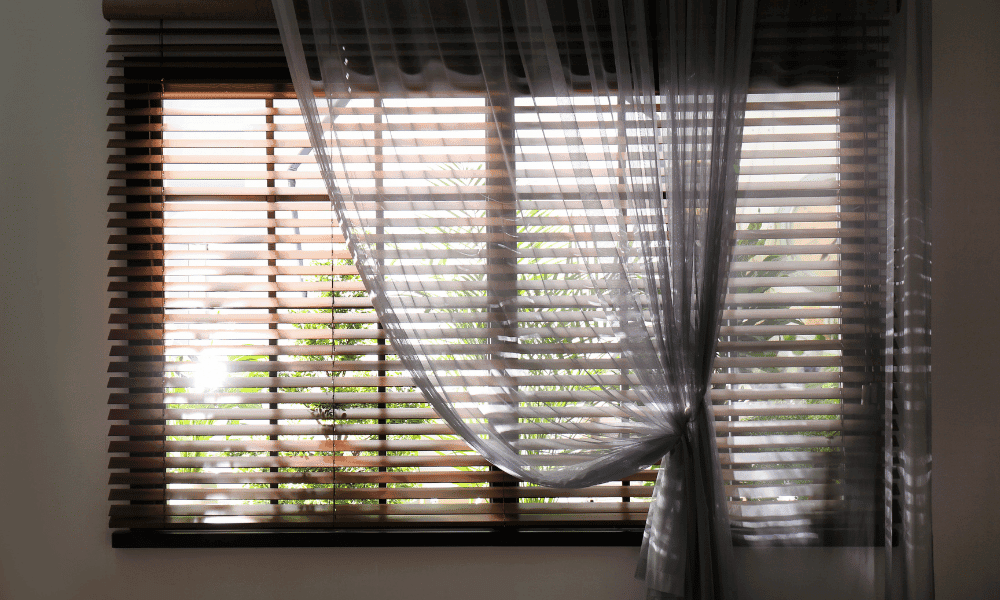
Choosing blinds can feel like stepping into a rabbit hole of slats, fabrics, and features you didn’t even know existed. Luckily, it’s not complicated once you know the basics.
Here’s your guide to the different types of blinds – what they are, what they’re good at, and how to know which ones make sense for your home.
Key Notes
Venetian blinds offer precise light control with adjustable slats; vertical blinds suit large windows and doors.
Roller blinds provide simple, budget-friendly coverage; Roman blinds add softness and elegance.
Faux wood resists moisture better than real wood; aluminum offers modern durability and easy cleaning.
Motorized options increase safety by eliminating cords while enabling smart home automation features.
What Are Blinds?
Before we dive into the styles, it helps to clear up one common question: what’s the difference between blinds and shades?
Blinds are made of hard materials like wood, faux wood, aluminum, or PVC. They’re constructed with slats or vanes you can tilt, lift, or slide to fine-tune light and privacy.
Shades are made of soft, continuous fabrics that roll, fold, or stack when raised. They don’t have adjustable slats – light control comes from fabric opacity.
Blinds are perfect if you want precise control, durability, and a clean, architectural look. Shades shine when you want softness, elegance, and energy efficiency. Most homes benefit from a mix of both.
The Main Types of Blinds
There are countless variations, but these are the core categories you’ll see most often:
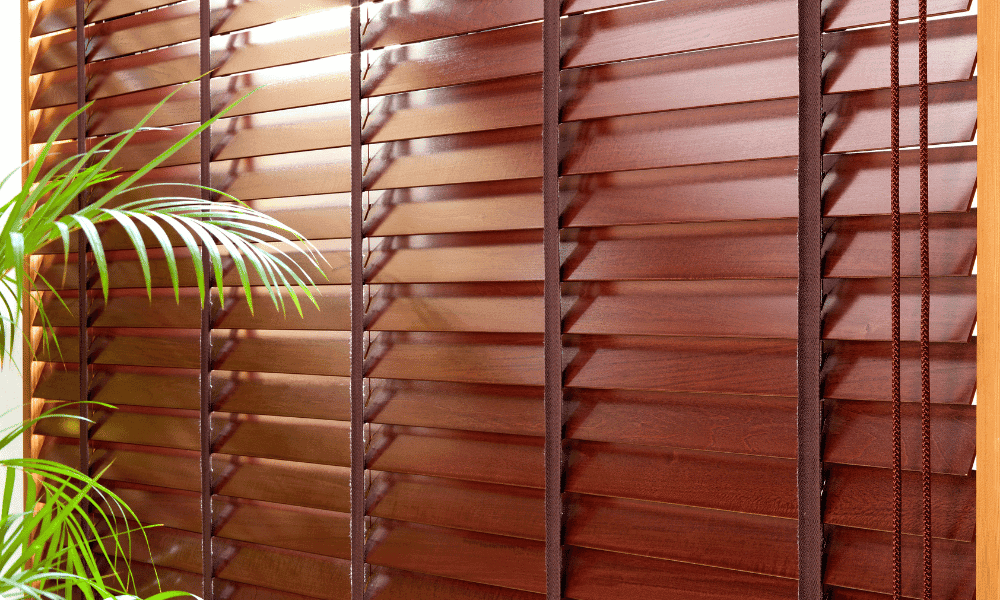
Venetian Blinds
Features: Horizontal slats in wood, faux wood, or aluminum. Tilt, raise, or lower to adjust light and privacy.
Pros: Versatile, stylish, precise light control, durable.
Cons: Cleaning slats takes patience; cords can be a safety issue if not cordless.
Best for: Living rooms, kitchens, bedrooms.
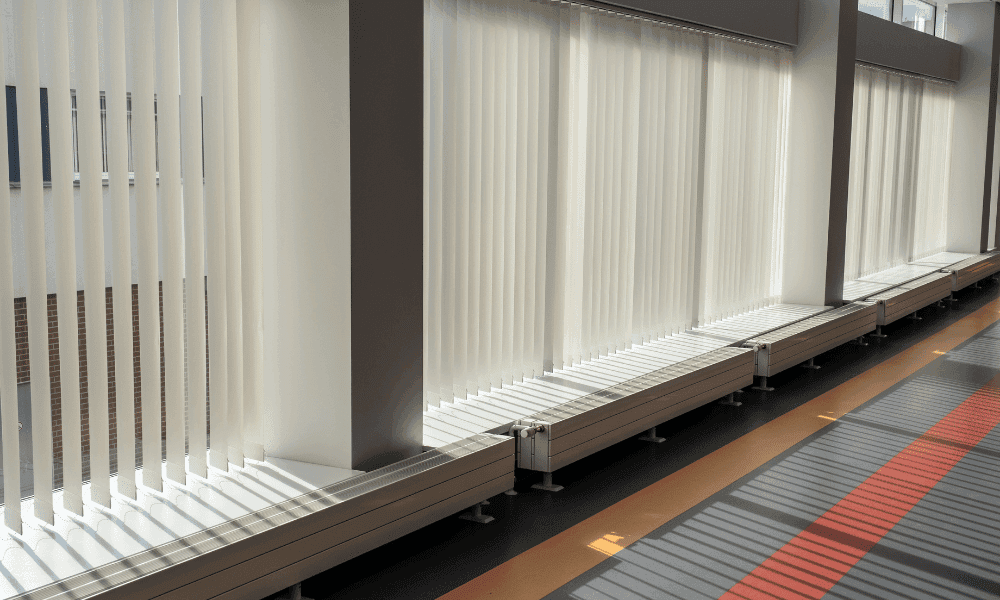
Vertical Blinds
Features: Vertical slats that tilt or slide side-to-side, ideal for wide windows or sliding doors.
Pros: Practical for large spans, easy to clean, adjustable light control.
Cons: Not suited for small windows; fewer design options.
Best for: Patio doors, large windows, offices.
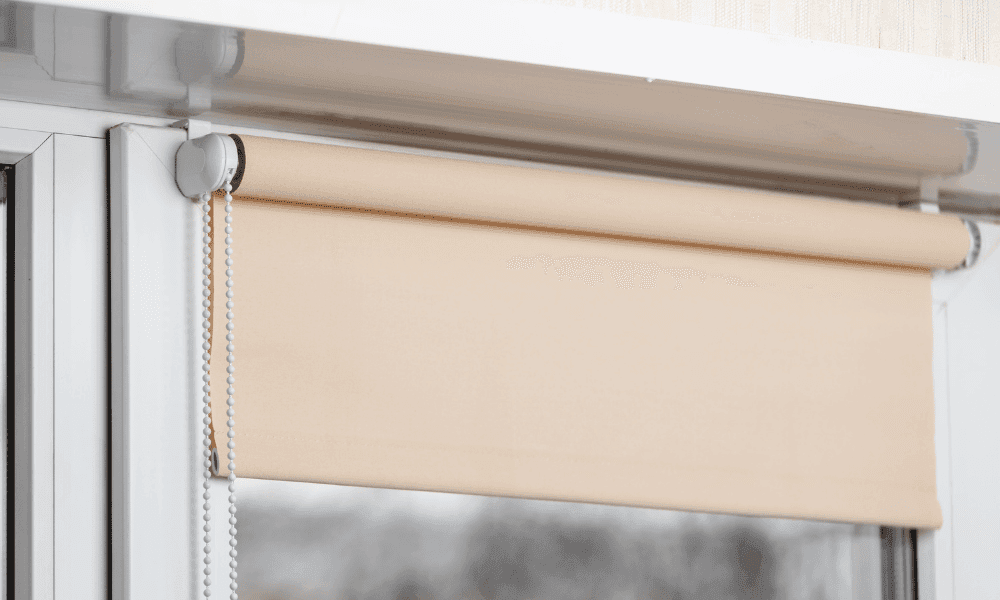
Roller Blinds
Features: A single piece of fabric that rolls up or down.
Pros: Simple, budget-friendly, available in blackout, thermal, or patterned fabrics.
Cons: Limited positions (up or down); fabric may fade in strong sun.
Best for: Kitchens, bathrooms, living rooms.
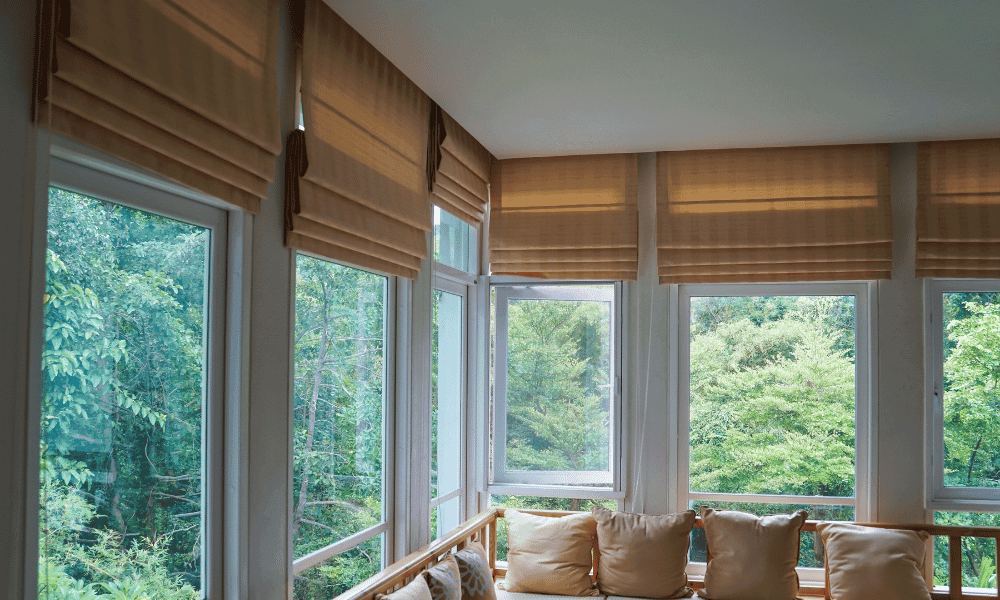
Roman Blinds
Features: Fabric folds into pleats when raised.
Pros: Adds softness, elegance, and warmth; can be lined for blackout or insulation.
Cons: Fabric is harder to clean; not as durable in high-sunlight areas.
Best for: Bedrooms, living rooms.
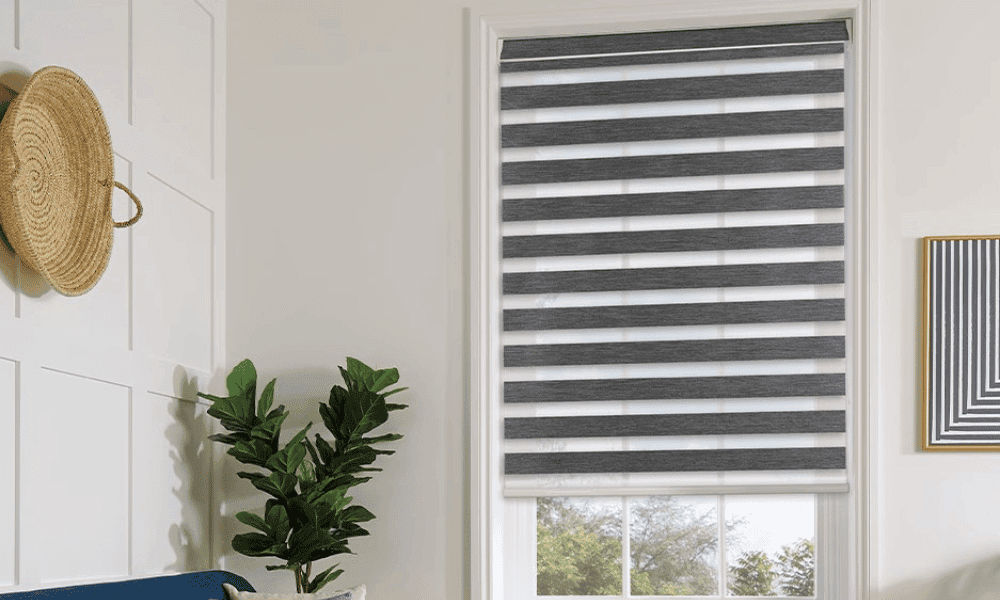
Zebra / Day & Night Blinds
Features: Alternating sheer and opaque fabric stripes align to control light.
Pros: Stylish, modern, flexible light control.
Cons: Pricier, requires careful cleaning.
Best for: Modern interiors, home offices, living spaces.
Cellular / Honeycomb Blinds
Features: Fabric cells trap air to create insulation.
Pros: Excellent for energy efficiency, diffuses light beautifully.
Cons: Fabric can be delicate; trickier to clean.
Best for: Bedrooms, living rooms, energy-conscious homes.

Specialty Blinds (Worth Mentioning)
Pleated Blinds: Compact and versatile, good for small or odd-shaped windows.
Perfect Fit Blinds: Clip directly into the window frame with no drilling – ideal for unique shapes or rentals.
Blind Materials Explained
The look, durability, and maintenance of blinds depend heavily on material.
Wood: Classic, warm, elegant. Best for living rooms or offices. Avoid in humid spaces.
Faux Wood: Moisture-resistant, durable, mimics real wood. Perfect for kitchens and bathrooms.
Aluminum: Lightweight, modern, easy to clean, moisture-proof. Great in contemporary spaces.
PVC/Vinyl: Super durable, waterproof, easy-care. Less refined look but unbeatable for functionality.
Fabric: Found in roller and Roman styles. Adds softness and texture but requires more upkeep.
Choosing Blinds for Specific Needs
Because no two rooms are the same, here’s how different blinds fit specific goals:
Privacy & Light Control
Blackout Roller or Roman Blinds: Bedrooms, nurseries, home theaters.
Venetian & Vertical Blinds: Adjustable slats = flexible control.
Zebra Blinds: Balance natural light with privacy.
Energy Efficiency
Cellular Blinds: Insulate windows, reducing heat loss.
Thermal Roller Blinds: Reflect heat, save on cooling costs.
Perfect Fit Blinds: Custom-fit reduces drafts.
Large Windows & Sliding Doors
Vertical Blinds, Panel Tracks, Roller Blinds: Wide coverage, smooth operation.
Aluminum Venetians: Lightweight, precise tilt even on wide spans.
Small or Oddly Shaped Windows
Perfect Fit, Pleated, Custom Roller Blinds: Tailored to unique shapes.
Moisture-Prone Areas
Faux Wood, PVC, or Aluminum Blinds: Resist warping, easy to clean.
Families with Kids & Pets
Cordless Blinds: Safer, easier to use.
Motorized Options: Ultimate safety and convenience.
Durable Materials: Faux wood or PVC resist scratches and chewing.
Motorized & Smart Blinds
Motorized blinds are becoming standard in homes with smart tech.
How They Work: Small motors raise, lower, or tilt blinds. Powered by rechargeable batteries, hardwiring, or solar.
Control Options: Remote, app, or voice assistants like Alexa or Google Home.
Benefits:
Cordless = safer for kids and pets.
Schedule blinds to adjust automatically with sunlight.
Perfect for hard-to-reach windows.
Considerations: Higher upfront cost, occasional maintenance, professional install for hardwired systems.
How to Choose the Right Blinds for Your Home
Here’s a step-by-step thought process to make the choice easier:
Window Size & Location: Large spans = vertical, panel, or roller. Odd shapes = custom fit.
Light & Privacy Needs: Bedrooms may need blackout; living rooms often need adjustable light.
Energy Efficiency: If bills are high, cellular or thermal blinds help.
Safety: Cordless or motorized for families with kids or pets.
Style: Wood or Roman for elegance; aluminum or zebra for modern.
Maintenance: Choose PVC or faux wood if you want easy cleaning.
Budget: Roller blinds are affordable; wood and motorized are higher-end.

Find The Blinds That Truly Fit
See styles, fabrics, and solutions in your own space.
Frequently Asked Questions
What’s the average lifespan of blinds?
Most blinds last 7–10 years with proper care, though materials make a difference. Faux wood, aluminum, and PVC tend to outlast fabric or real wood in Florida’s climate.
Can blinds be layered with other window treatments?
Yes – pairing blinds with drapery or sheers is common. This adds insulation, softens the look, and lets you control light and privacy more flexibly.
Are blinds eco-friendly?
Some are. Cellular blinds improve energy efficiency, cutting heating and cooling costs, while sustainably sourced wood or recyclable aluminum offer greener material options.
Do blinds increase home value?
Quality custom blinds and shutters can boost home value by improving energy efficiency, curb appeal, and buyer-ready style. Mass-market blinds typically won’t have the same impact.
Conclusion
There’s no single “best” blind for every home – it depends on what matters most to you.
Venetians are all about flexible light control, rollers keep things simple and clean, and Romans add a softer, tailored finish. Cellular blinds punch above their weight when it comes to energy efficiency, while verticals and panels make sense for big patio doors or wide spans of glass.
In short, the different types of blinds each have their sweet spot.
A free consultation is a great way to cut through the overwhelm – you’ll get to see fabrics in person, test out styles, and get advice tailored to your space before making a decision.